Midwest Frontline Fund
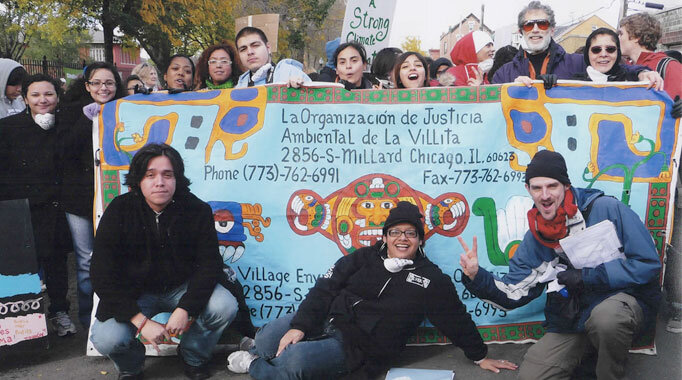
The Midwest Frontline Fund provides general operating grants to grassroots and frontline environmental justice organizations throughout the midwest. Since 2016, MWEJN has supported over 70 environmental justice organizations totaling $6 million in grants.
THE MIDWEST FRONTLINE FUND ADVISORY CIRCLE

The Frontline Fund is guided by an Advisory Circle made up of grassroots leaders in the Midwest. The Circle informs organizational eligibility, selection criteria and priorities, and serve as ambassadors for the Fund. Final funding decisions are made by the Midwest Environmental Justice Network Leadership Team.
Advisory Circle Members

-
Cicely Allen is a Detroit-based environmental justice leader and Co-Executive Director of the Wisdom Institute, a Black women-led organization advancing Healing Justice through spirit-led advocacy, cultural strategy, community care, and policy change to build enfranchised power. Her work sits at the intersection of environmental justice, reproductive justice, and gender and economic justice, transforming lived experience and deep listening into community-led systems and policy change. Since 2020, Cicely has worked alongside grassroots partners to advance housing security/right to counsel, maternal and infant health, and water affordability, naming environmental racism as a threat to womb wellness and family stability. Above all, she is a mother to three amazing children, guided by a commitment to co-creating a world where our families can breathe, drink, birth, and live self-determined lives.
-
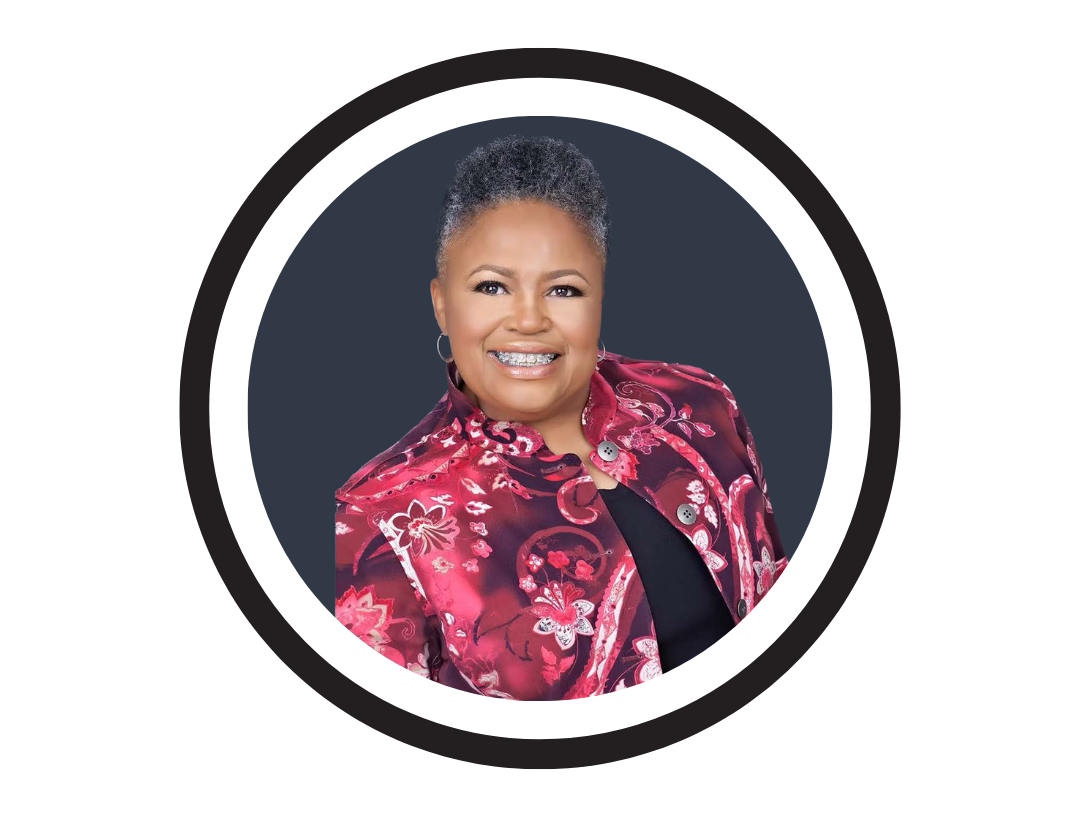
Monica Lewis-Patrick is President & CEO of We the People of Detroit. She is an educator, entrepreneur and human rights activist. Known as "The Water Warrior," Lewis-Patrick is actively engaged in the fight for safe, affordable water. In 2022, Lewis-Patrick joined the University of Waterloo as a Jarislowsky Fellow and became a Michigan State University Water Fellow and Ron McNair Scholar. Lewis-Patrick is a National Board Member of River Network, Board Chair of Transforming Power Fund and serves as a member of the National Water Affordability Table, All About Water/Freshwater Future - Subcommittee, PolicyLink- Water Equity and Climate Resilience Caucus (WECR), End Water Poverty, the Governor's Board for Healing Our Waters (HOW), Co-Chair of the Water Committee on the Michigan Advisory Council on Environmental Justice and a member of the International Joint Commission for the Great Lakes Water Quality Board(since 2019 to current).
-
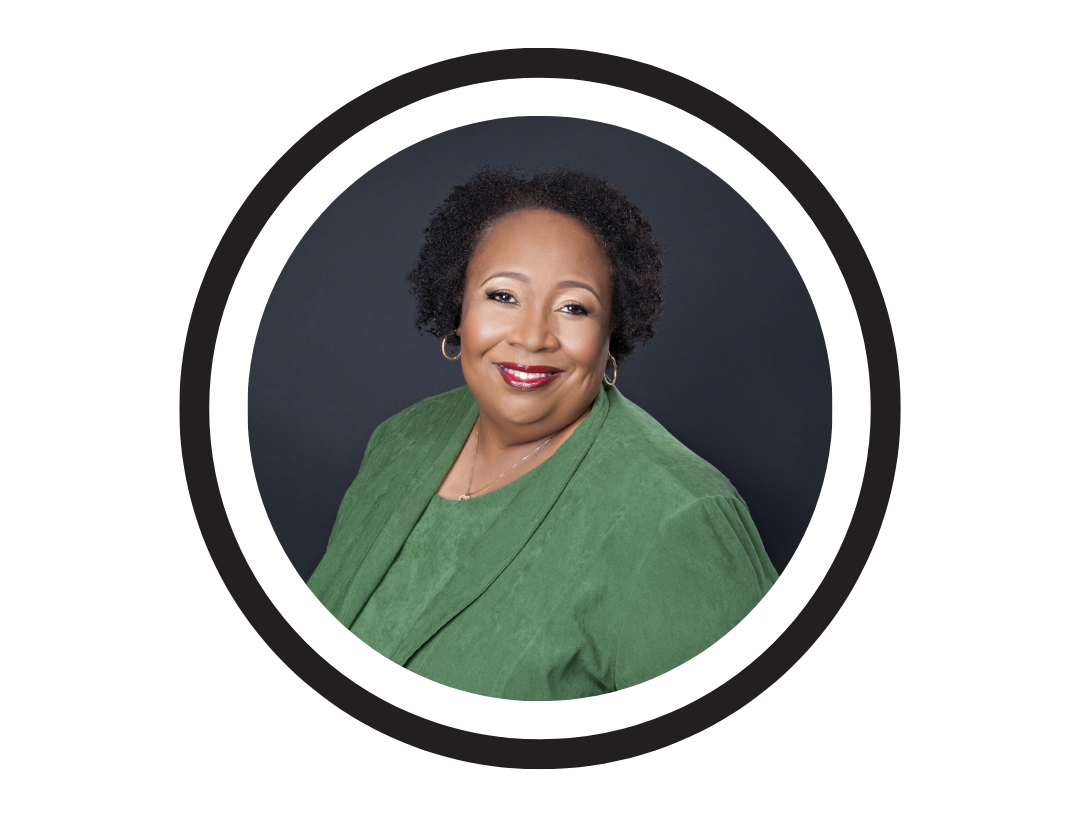
Alicia is a proud mother, grandmother, and lifelong Detroiter. who has worked in local and state government and in nonprofit settings, where she has been actively engaged in efforts to promote race, gender, economic, and environmental justice; best practices in nonviolence education and youth development, and workers' rights. She is a founding board member of the Tri-City Community Development Corporation, where she serves as Board Treasurer and Co-Chair of the Eden Park Community Project Steering Committee. (Eden Park is a $20+ million environmental justice project designed to mitigate the very serious environmental conditions that plague the primarily African American residents of the 48217, 48218, and 48229 communities. Alicia is the Executive Director of the Transforming Power Fund, where she provides leadership to a Detroit-based social justice fund committed to transformative systems change. One of Farris’s most gratifying career accomplishments has been giving leadership to Michigan’s 2018 Minimum Wage Ballot Initiative, which finally resulted in a February 21, 2025, victory for low-wage Michigan families by moving the minimum wage from $10.56 to $12.48 per hour “with planned increases to $15 by 2027”.
-
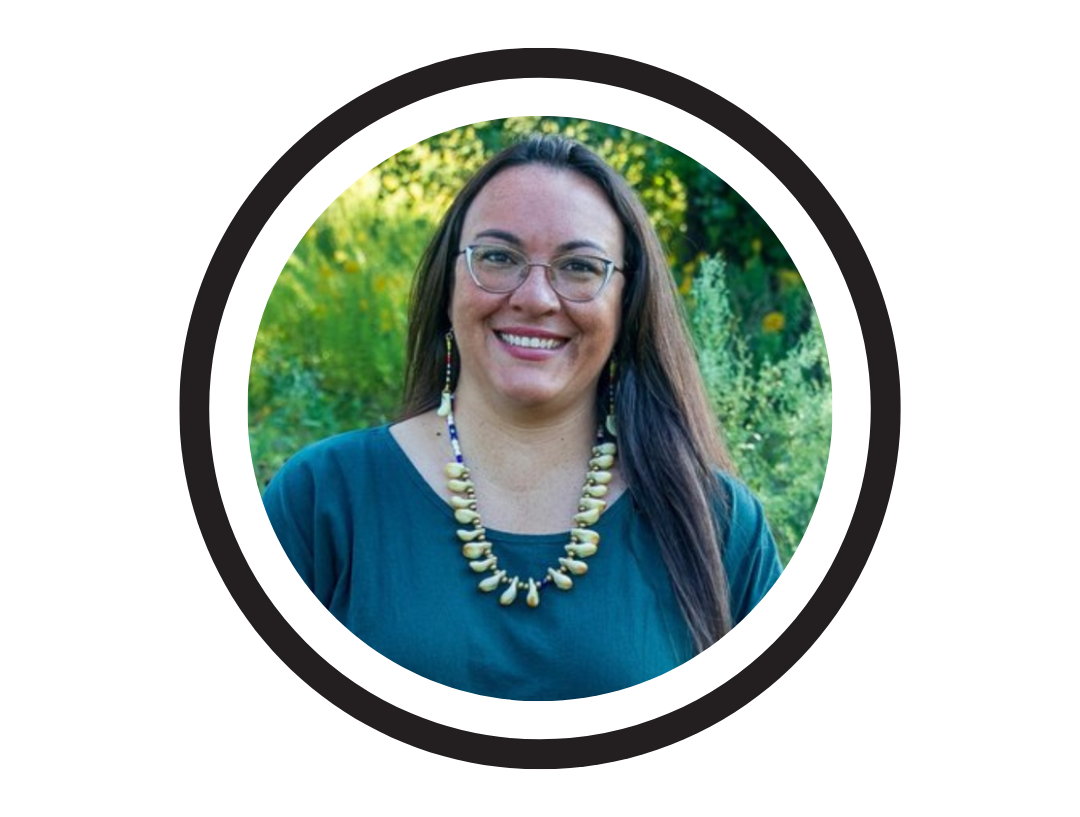
(Pabaksawiŋ) is Dakota and Anishinaabe. She is an enrolled member of the Turtle Mountain Band of Ojibwe and descends from Spirit Lake Dakota Nation. She has spent her career in the fields of education, cultural resiliency and healing, and environmental justice.
Maggie serves as the executive director for Wakaŋ Tipi Awaŋyaŋkapi, a Native-led, Native-run environmental nonprofit in Saint Paul, MN. She also serves on the board of directors for Owámniyomni Okhódayapi, F. R. Bigelow Foundation, and Tiwahe Foundation.
-
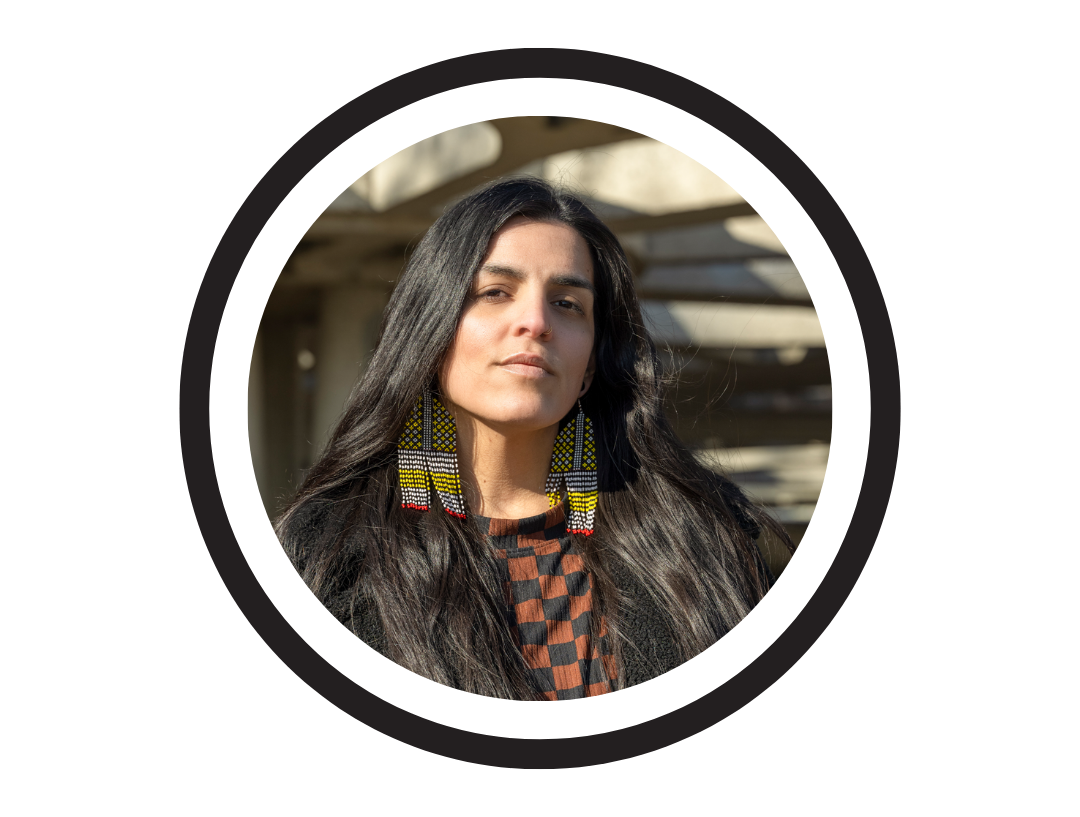
Briana belongs to the Tugong Clan of the CHamoru People from the Village of Yo’ña on the Island of Guåhan. She is an Indigenous leader, community organizer, an environmental conservation advocate, educator, and rock climber. Through her work, she has collaborated with local, regional, and national partners and environmental conservation agencies, Indigenous led organizations, athletes, and Tribal Nations across Turtle Island and beyond, to advocate and educate on cultural land protection, treaty rights, climate justice, Tribal sovereignty and self determination, as well as health and human rights. She is a mother, an artist, a sponsored athlete, and the first rock climber to be inducted into the North American Indigenous Athletics Hall of Fame.
-
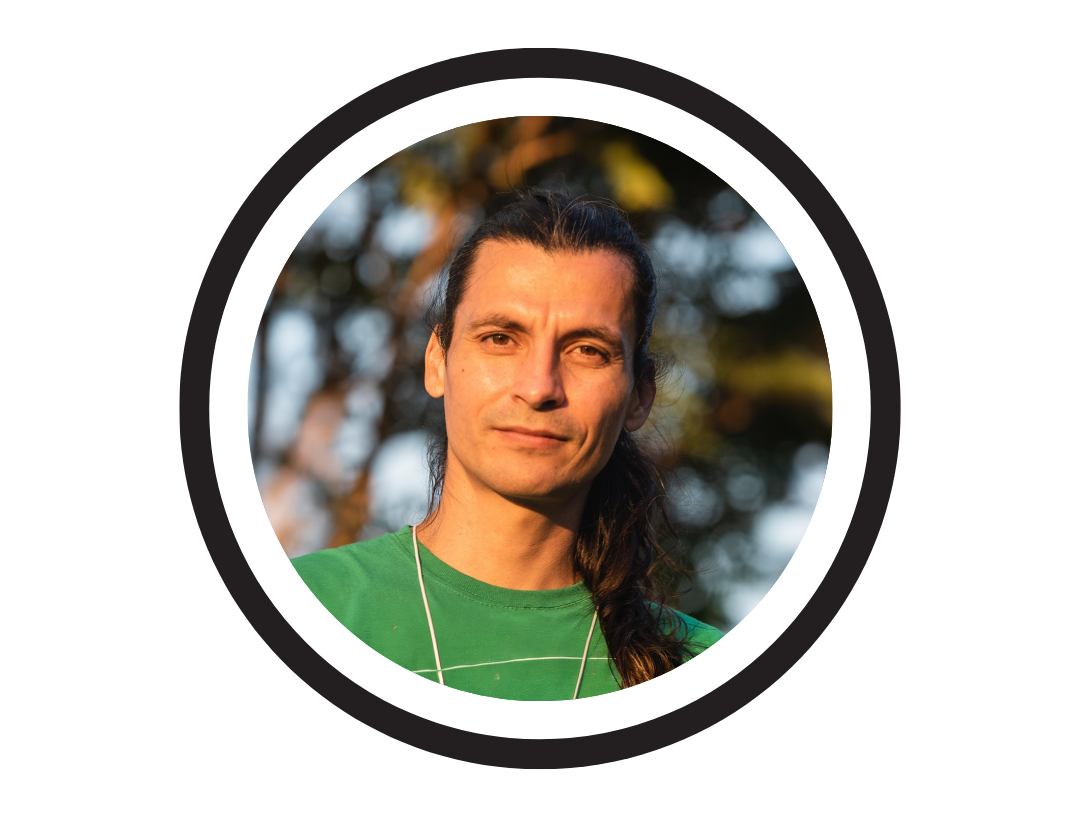
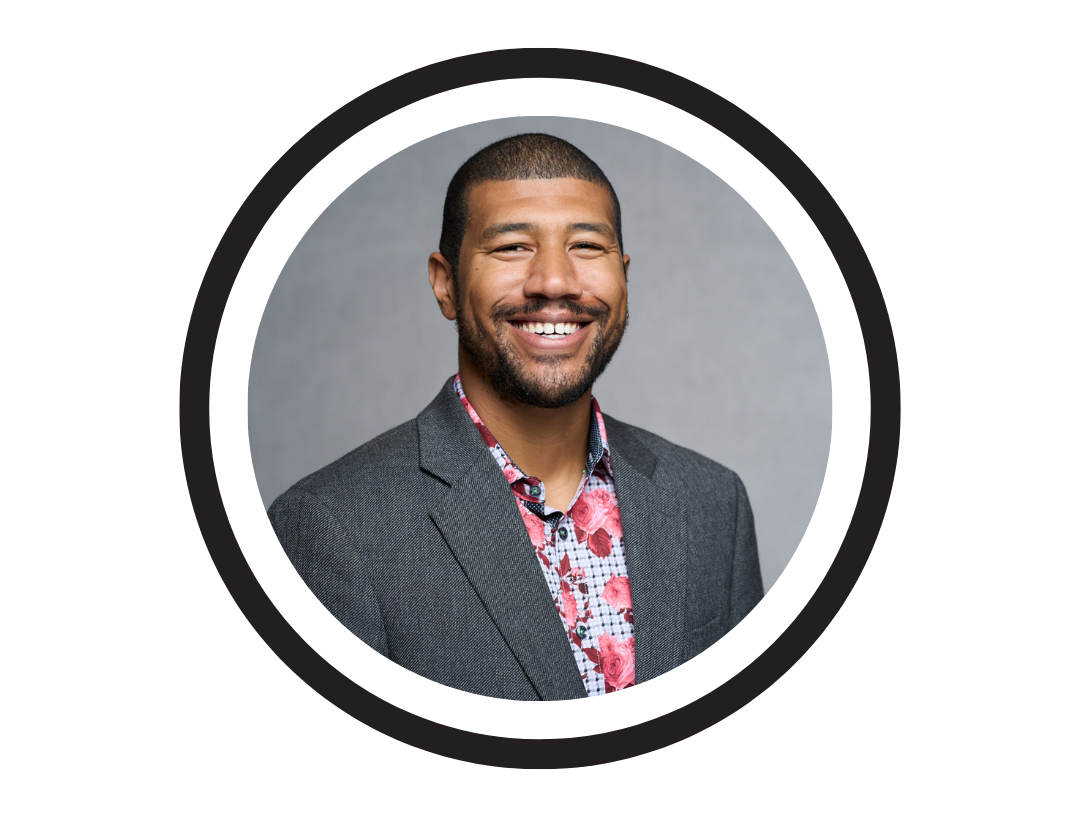
Born and raised in St. Louis, MO, Nick developed a passion for taking care of the planet, food justice, and working with young people. After working in the nonprofit sector for several years, he founded Ujima in 2018. Since then he has engaged over 1,000 youth in outdoor education, launched the urban farm George Washington Carver Farms, developed a holistic network for teens called The Sunflower Institute, cleaned up over 14,000 pounds of trash in North St. Louis city, as well as produce over 10,000 pounds of produce, herbs, and flowers. Nick is inspired daily by the greater St. Louis area, his wife, daughters, family, close friends, and colleagues.
-
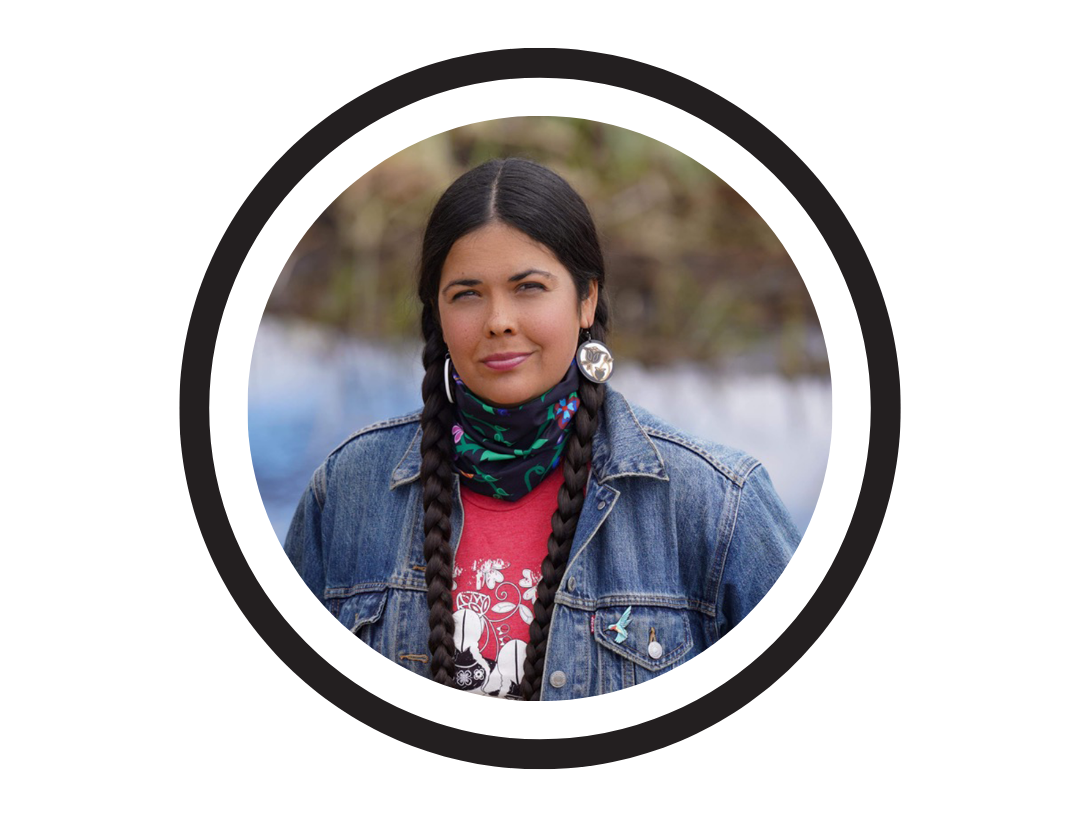
Tara Houska (Couchiching First Nation Anishinaabe) is a mother, a sundancer and mide, a land defender, attorney, and founder of the Giniw Collective, an Indigenous women, two-spirit-led frontline resistance leading a land back initiative centering Indigenous stewardship and the next generation of leaders. She is a TED speaker, the recipient of the 2023 Rose-Walters Prize for Global Environmental Activism, the 2021 American Climate Leadership Award, and a 2019 Rachel’s Network Catalyst Award. She has written for the New York Times, CNN, Vogue, Atmos Magazine, and published essays in several books. Tara is dedicated to uplifting the voice of the land in all spheres and repairing human relationships to nature.
-
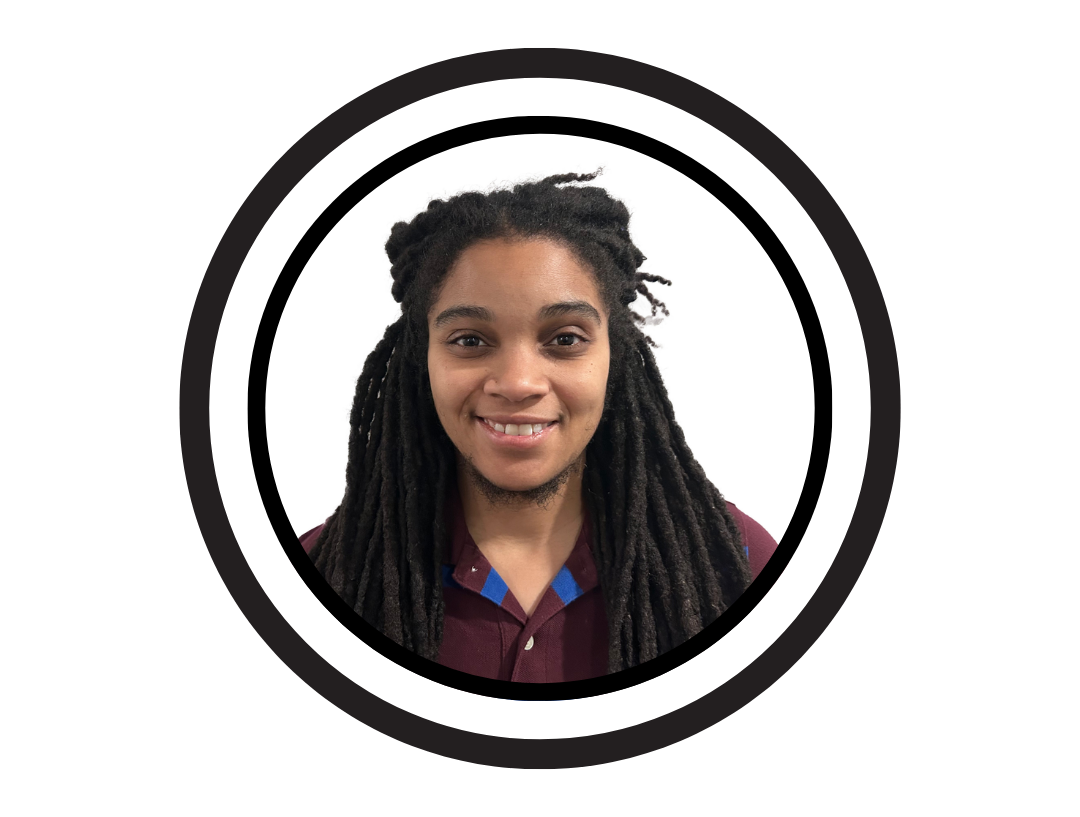
Taryn is a farmer, land designer, learner-teacher and connector. Born and raised on the southside of Chicago, Taryn is committed to connecting Black and Brown people with the land, each other and practices that train present and future generations to survive the unexpected. Taryn began growing with the land in 2017 as cofounder and Executive Director of Getting Grown Collective(GGC), with family, friends and neighbors on 63rd & Morgan in Chicago’s Englewood neighborhood. Taryn gained additional land stewardship experience as a garden educator, farm manager, food justice organizer and program coordinator for various Chicago-based nonprofits. In 2022, Taryn co-founded a worker-owned cooperative, Earthseed Native Landscaping & Edible Gardens LWCA to provide native & edible garden services to Greater Chicago. Taryn is a proud parent, active caretaker of family and community and Urban Earth Corps Program Steward for Grow Greater Englewood.
-
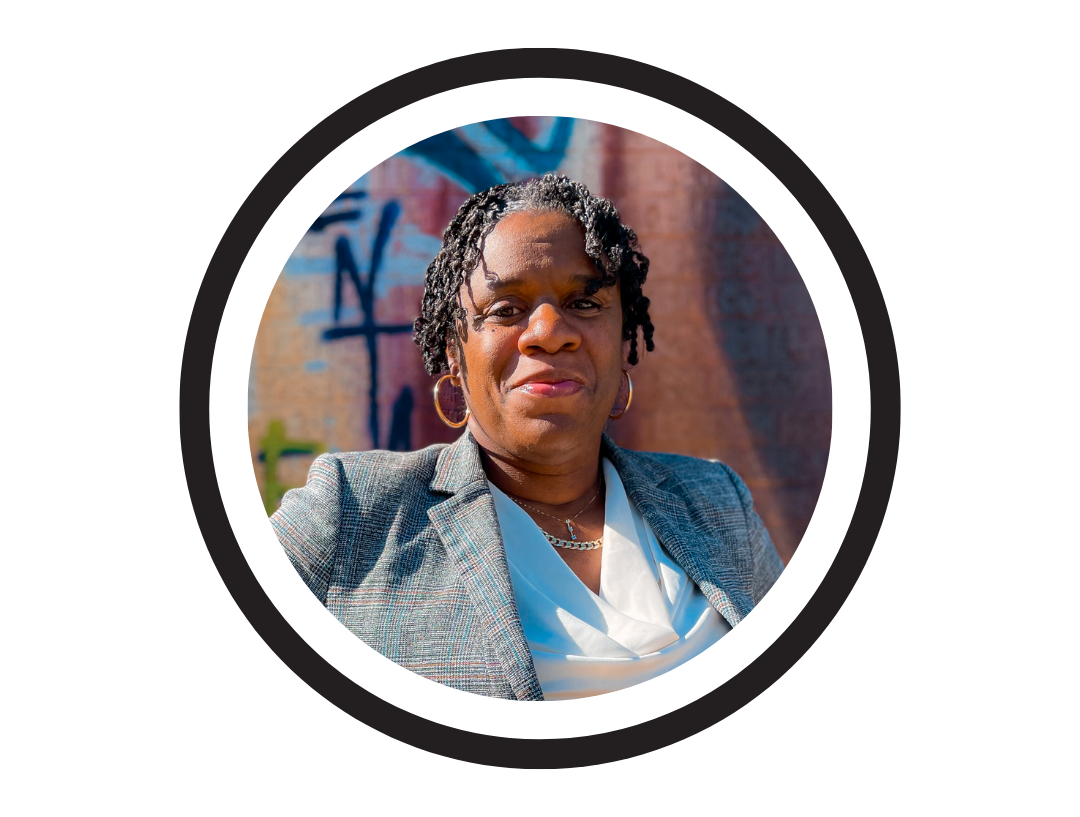
Alicia Smith is the cofounder and Executive Director of Junction Coalition, a community grass roots organization that started as an opportunity to help the residents help themselves through partnering with institutions and stakeholders to address social, economic, and environmental issues and improve the community’s quality of life. During the 2014 Algae Bloom (Outbreak), Junction Coalition was pushed into environmental action. Families needed support, information, and education not just for the few days of the crisis but a continuum of support and interaction for safe, clean, and affordable drinking water.
Alicia and her family reside in Toledo, Ohio, and she is a proud native of Detroit, Michigan. Alicia’s passion flows from her belief that all citizens need information to thrive. As such, she works to build the capacity of each family. She believes that education and information in community work is not limited to the environment but is interconnected to issues of social and economic education with the goal of promoting peace, public health, and a better quality of life for all citizens.
-
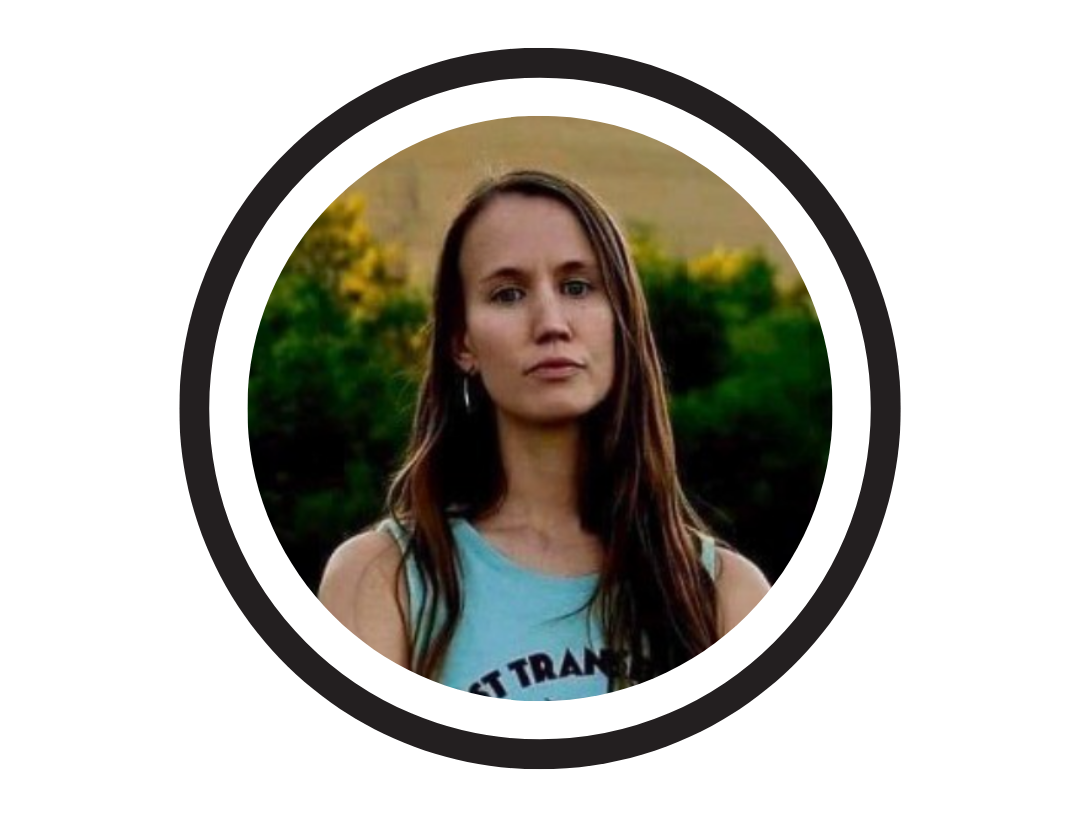
Ashley Williams is the Executive Director of Just Transition Northwest Indiana (JTNWI), helping to found the nonprofit in 2020, which is organizing to achieve a just transition beyond the carbon-based, extractive economy of today to a renewable, regenerative future in the region, where everyone can thrive.
Ashley grew up in Ottawa, IL, which has been treated as a sacrifice zone by the fract sand mining industry. Now residing in Michigan City, IN, she is passionate about ensuring a just and equitable transition for her community and the impacted workforce as they prepare for the retirement of the local coal-burning plant. Ashley also serves on the executive board of the NAACP Michigan City Branch 3061 and the Soul Power Advisory Committee, building community wealth and access through solar and energy efficiency job training opportunities.

-
Rosa Yekuhsiyo King (Turtle Clan, Oneida Nation of Wisconsin, she/her/hers/akaulhá/akowʌ·) is the founder and Executive Director of Skaˀnikú·lat, Inc., (pronounced ska-knee-goo-lut) an Indigenous women-led nonprofit dedicated to restoring community wellness through Oneida language-medium education, outreach, and advocacy. King also serves as a head instructor for the Teshakonatnʌtshotalhu (pronounced day-sah-go-na-duh-so-dal-who) Oneida language-medium school which operates within Skaˀnikú·lat. She also serves as an adjunct instructor at the College of Menominee Nation, teaching Oneida Language, History, and Treaties. She has dedicated nearly 15 years to both teaching and learning the Oneida language. King's teaching experience spans diverse settings, including public schools, Tribal schools, and Tribal colleges, where she has taught in both language-medium and second-language acquisition environments. Her expertise includes an array of skills ranging from Oneida language revitalization to decolonial pedagogies, curriculum and program design, community wellness, healing, Traditional Knowledge, ancestral art forms, Indigenous-based research, matriarchal leadership, advocacy, community-building, and Indigenous organizational development. It is her personal belief that Indigenous languages contain Traditional Knowledge which can be used as ethical and practical solutions that address global challenges that affect all people. King is currently a 2024-2026 Changemaker Fellow with NDN Collective, where she advances her philosophy that “language is medicine” as a pathway for wellness in Indigenous communities.
-
Rooted in, made up of, and accountable to communities of color, low-income communities, tribes, and Indigenous communities who are most directly impacted by environmental and public health issues
Committed to building grassroots power and leadership to influence the decisions that affect their communities
Working to uphold EJ on Midwestern Indigenous/Native lands or in at least one of the 12 Midwestern states: IL, IN, IA, KS, MI, MN, MO, NE, ND, OH, SD, WI.
Organizations that are Non-profit organizations (501(c)3s and 501(c)4s, organizations with fiscal sponsors or Tribal governments
-
Priority will be given to:
Organizations that have received MWEJN’s general operating support through the Frontline Fund in the past and organizations referred by MWEJN partners
Native-led organizations: Tribal governments or entities, inter-tribal coalitions or Native-led 501(c)3 organizations
Organizations in states where there are currently fewer grantees: Wisconsin, Nebraska, Kansas, Indiana, Ohio, Iowa, North Dakota
Organizations with strong community accountability and trusted relationships with other MWEJN partners
OUR GRANTEES

ILLINOIS







INDIANA


IOWA



KANSAS
MICHIGAN







MINNESOTA




MISSOURI



NEBRASKA


NORTH
DAKOTA


OHIO



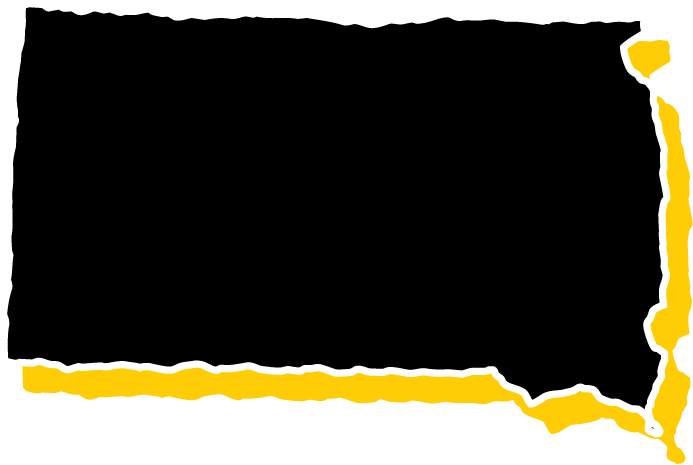
SOUTH
DAKOTA